
"dark roast beans"
3000 article(s) found

Coffee roasting degree roasting time and temperature changes in coffee flavor and taste
Because coffee roasting varies from temperature, time, to the color of coffee beans, even if they are roasted to the same temperature or even the same color, they may show different tastes. Generally, roasted coffee will be accompanied by the first explosion and the second explosion (coffee beans will explode due to the evaporation of domestic thermal expansion water).

Introduction of manor varieties in environmental producing area of Arabica coffee bean growing area in Latin America
Medial/City/Full city/Espresso/Dark/French Columbia beans are one of the few coffee beans that range from shallow roasting to very deep roasting, ranging from light roasting to deep roasting sweetness. In such a wide range, Colombian beans will have a different appearance.

The roasting method of professional coffee is usually divided into the following eight stages
The eight stages of roasting: the roasting method of professional coffee is usually divided into the following eight stages. 1. Very shallow baking (LIGHT Roast): the degree of baking; very shallow baking, also known as shallow baking. The lightest roasting degree of all roasting stages, the surface of the coffee beans is a light cinnamon color, its taste and aroma are insufficient, this state is almost undrinkable. It is generally used in testing, but rarely used.
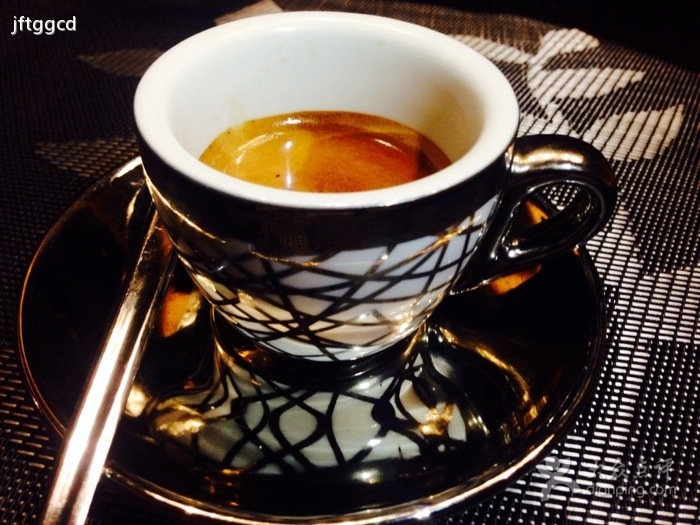
Tips for making espresso: the secret of how to extract the perfect espresso (crema)
Each cup of espresso has a layer of brown fine oil on the surface, which is called crema. If you look closely, you will find that the crema color on the surface of each espresso is different, and the common crema colors range from light gold, hazelnut, ochre to dark brown. What message does these crema with different colors reveal to us? Things

Roasting of fine coffee beans determines the taste of coffee
Generally speaking, each coffee cherry contains two raw beans, and the fragrance is still hidden, waiting to be discovered. In raw beans, it contains a lot of chloric acid. As the baking process, chloric acid will gradually disappear, releasing familiar and pleasant fruit acid-such as acetic acid, citric acid, malic acid in wine. Baking is just right, it can present these beautiful sour taste moderately; on the contrary,

Flavor description of moderately roasted and deep-roasted coffee beans
Flavor description of moderate and deep roasted coffee beans roasting varieties can be divided into Light, Medium, City and Deep roasting. Light roasted coffee beans: will have a strong smell, very crisp, high acidity is the main flavor and slightly mellow. Medium-roasted coffee beans: full-bodied and protected at the same time
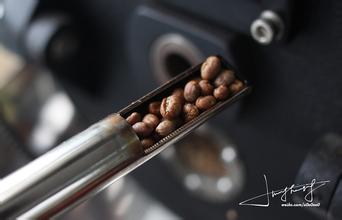
Coffee roasting knowledge: how much does the weight of cooked coffee beans decrease after roasting?
Weight reduction: due to the evaporation of water, the weight is reduced by 15-20%. In general, the moisture content of our coffee beans is 10-12%. In addition, the weight lost is generally in silver skin, dust, material changes, and carbon dioxide loss. Most of the less weight is moisture. Volume increase: due to the formation of CQ2, the volume increases by 30-60% and the specific gravity of the components changes:

Study on roasting degree of Coffee beans
A series of chemical changes occur during the baking process. After about 5-25 minutes of baking (depending on the temperature selected), the green coffee beans lose some humidity and turn yellow. In this process, the coffee beans will swell, changing from a strong, high-density raw bean to a low-density fluffy state. After this process, the size of the coffee beans will about double, starting

Why roast coffee beans?
The raw coffee beans for export are not the dark brown beans we often see in cafes with a luster of vegetable oil and a burst of coffee-scented beans. Coffee beans can only be roasted to become coffee beans for grinding and drinking. Of course, this is just a strange modern way, because in the early days, Ethiopians used the fruits of coffee to make wine.

Introduction to the roasting degree of coffee
A series of chemical changes occur during the baking process. After about 5-25 minutes of baking (depending on the temperature selected), the green coffee beans lose some humidity and turn yellow. In this process, the coffee beans will swell, changing from a strong, high-density raw bean to a low-density fluffy state. After this process, the size of the coffee beans will about double, starting

There will be an obvious dark chocolate introduction to Ethiopian Sidamo Lion King Coffee beans.
Manor coffee, Ethiopian Heirloom variety of Sidamo, from Cabey Manor Sidamo Manor Coffee, lifestyle and consumption concepts are changing, Manor coffee has become popular at home, hospitality, party, experience and business. You can use raw beans with a small roaster to roast fresh according to your own consumption in personality shops, theme shops and experience shops. Use cooked beans for home grinding and cooking

The process of the growth of coffee trees the process of roasting the fruits of coffee trees
The coffee tree is an evergreen tree with small white flowers and green flowers that turn red when it is mature. A normal coffee tree can usually grow to 5 to 10 meters high, but for the convenience of harvesting, bean farmers often prune it to less than 2 meters. After flowering, there are many dark green ellipses, and the mature ones change from dark green to bright red.

The discoloration process of roasting coffee beans-makes it easy for you to understand the changes of coffee beans
Many people think that coffee beans are born dark brown. In fact, raw coffee beans are green or cyan, because they still contain a certain amount of moisture. After the coffee fruit is processed and screened, it will be graded into sacks. Then mostly by ship, scattered to all parts of the world. After the raw coffee beans are transported to the coffee factory, they are roasted by a professional roasting machine, if
Espresso production: blending
"Blending" refers to the selection of coffee beans of different origins and qualities to achieve the desired result.

Basic knowledge of roasting Coffee Bean roasting
The so-called coffee roasting (coffee roasting) refers to the process that through heating the raw beans, a series of physical and chemical reactions take place inside and outside of the coffee beans, and in this process, the sour, bitter, sweet and other flavors of the coffee are formed, forming mellowness and hue, and transforming the raw beans into dark brown beans. The original beans of coffee rely on professional technology to maximize the flavor of beans. Baked

Coffee Basics Chemical Reaction of Coffee in Roasting
Coffee has a wide variety of flavors. Different regions, different altitudes, different climates, different origins of coffee production have their own unique characteristics, green beans are fresh and completely without the usual coffee taste; coffee taste comes from proper roasting, showing fruity (medium light roast) or caramel sweet (deep roast). The lighter the roast, the more sour the taste.

Chemical reflection of coffee in roasting knowledge of roasting coffee beans
Coffee has a rich, wide range of flavors. Coffee produced in different regions, different elevations, different climates and different producing areas has its own unique characteristics. Raw beans are fragrant and have no usual coffee taste at all; the taste of coffee comes from proper roasting. Show fruity (light roasting) or caramel sweetness (deep roasting). The lighter the baking, the more sour it tastes. Baking.
Chemical reaction of Coffee in roasting
Coffee has a rich, wide range of flavors. Coffee produced in different regions, different elevations, different climates and different producing areas has its own unique characteristics. Raw beans are fragrant and have no usual coffee taste at all; the taste of coffee comes from proper roasting. Show fruity (light roasting) or caramel sweetness (deep roasting). The lighter the baking, the more sour it tastes. Baking.

Thick and sweet taste, aftertaste and warm blend of coffee
Thick and sweet taste, aftertaste and smooth warmth. Full-bodied dark chocolate, warm baked nut aromas and sweet caramel, low acidity. This coffee bean was born in memory of the dead father and the soon-to-be-born son by the coffee roaster. The slightly bitter flavor of dark chocolate is a memory of parting with loved ones. Roasted nut flavor superimposed with sweet caramel flavor is the birth of new life.
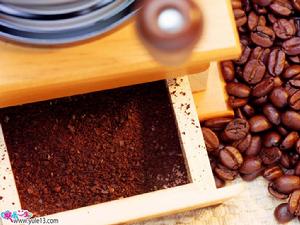
Classification of eight stages of coffee roasting and introduction of depth table
The roasting method of professional coffee is usually divided into the following eight stages. 1. Very shallow baking (LIGHTRoast): the degree of baking; very shallow baking, also known as shallow baking. The lightest roasting degree of all roasting stages, the surface of the coffee beans is a light cinnamon color, its taste and aroma are insufficient, this state is almost undrinkable. It is generally used for testing and seldom for tasting. 2. Shallow baking (C